Events & Notifications

Publications
More
Dr Ambedkar and Democracy
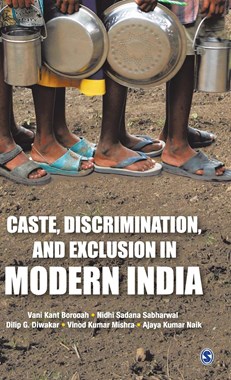
Caste, Discrimination and Exclusion in Modern India
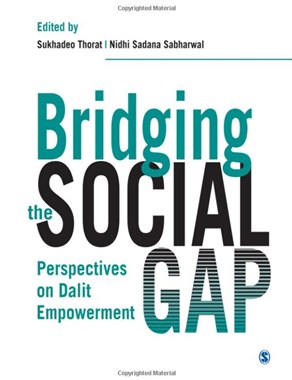
Bridging the Social Gap Perspectives on Dalit Empowerment
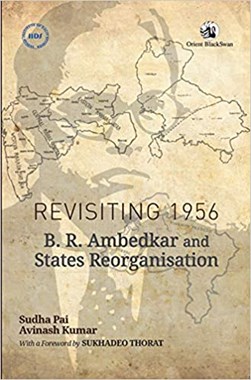
Revisiting 1956 B.R. Ambedkar and States Reorganisation

Dalit Art and Visual Imagery
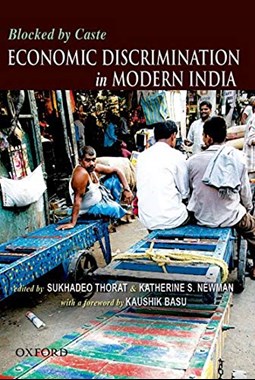
Blocked by Caste: Economic Discrimination in Modern India
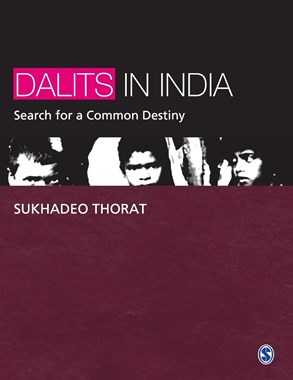
Dalits in India: Search for a Common Destiny
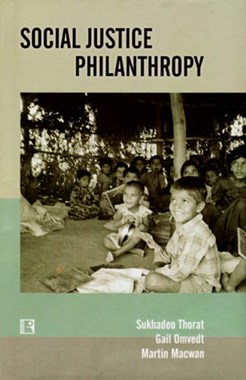
Social Justice Philanthropy: Approaches and Strategies of Funding Organizations
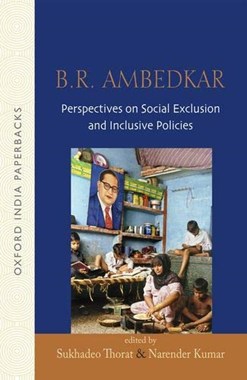
B.R. Ambedkar: Perspectives on Social Exclusion and Inclusive Policies
In Search of Inclusive Policy: Addressing Graded Inequality

Ambedkar in Retrospect: Essays on Economics, Politics & Society

Reservation and Private Sector: Quest for Equal Opportunity and Growth
Journals
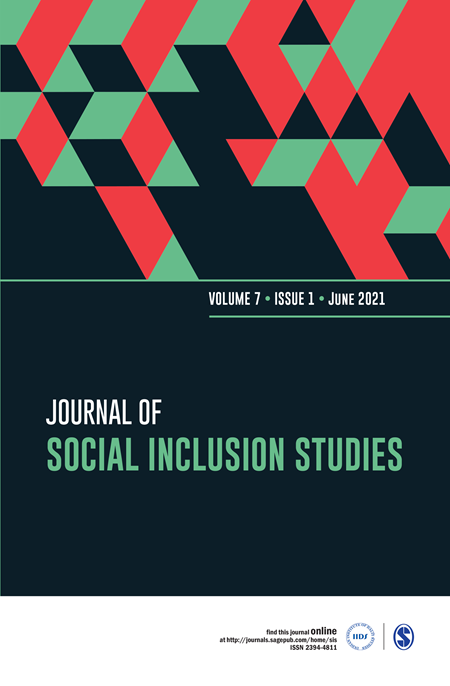
Journal of Social Inclusion Studies
Journal of Social Inclusion Studies is a peer-reviewed interdisciplinary academic journal. It aims to promote informed debate and contributes to current knowledge and understanding on the nature, forms, and consequences of social exclusion and discrimination faced by marginalised groups and affirmative policies for the development of these groups. During the year 2019-20, IIDS published two issues of Journal. The Journal of Social Inclusion Studies is currently being published in collaboration with Sage Publication, India.
View MoreDalit Asmita
Dalit Asmita, a quarterly journal (in Hindi), aims to promote literary work on Dalits and their struggle for identity, emancipation, and development. It features short stories, poems and articles, and provides an academic platform for discussions on Dalit empowerment. Four issues have been published during 2019-2020.
View More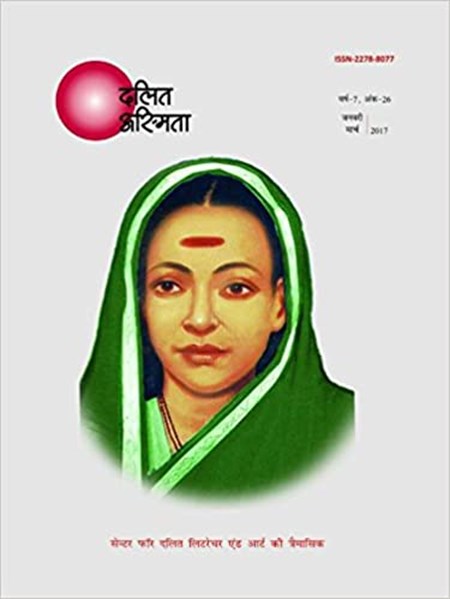
Policy Impact of IIDS Research
IIDS has had major impact on government policies, plans of multilateral funding agencies, programmes of civil society organisations, and research structure of universities in India and abroad. It has been possible due to interactions, conferences, participation in targeted meetings, and research-based inputs to members of policy-making bodies and NGOs at grassroots levels. In its ten years tenure, the Institute’s research has increasingly been recognised as policy relevant that has targeted governmental planning related to discrimination, social exclusion, and inclusive policy for Dalits, tribals, and religious minorities. The Institute through its research and timely inputs has assisted the government in the development of the following:
Paper Published
Researchers of Indian Institute of Dalit Studies have published research articles in national and international journals. The list of papers published is given here.
View MoreWorking Paper Series
IIDS regularly publishes its research output in the form of books, working papers, reports and research articles in journals and books. Working Papers Series brings out major findings of the research studies undertaken by the Institute. Working papers can be downloaded from the web-site.
View MoreOngoing Projects
IIDS has carried out various research programmes during 2020–21. Those were undertaken with the support of Rosa Luxemburg Stiftung, South Asia, Ford Foundation, Government of Karnataka, Indian Council of Social Science Research etc. A list of on-going research projects can be accessed here.
View MoreCompleted Projects
IIDS has carried out various research studies since its inception in 2003. The research studies have been funded by national and international funding agencies such as various ministries of Government of India, state governments, International Development Research Centre, Overseas Development Institute, UNICEF, RLS, ICSSR etc.
View More